The Problem
A broken journey from production to prosperity
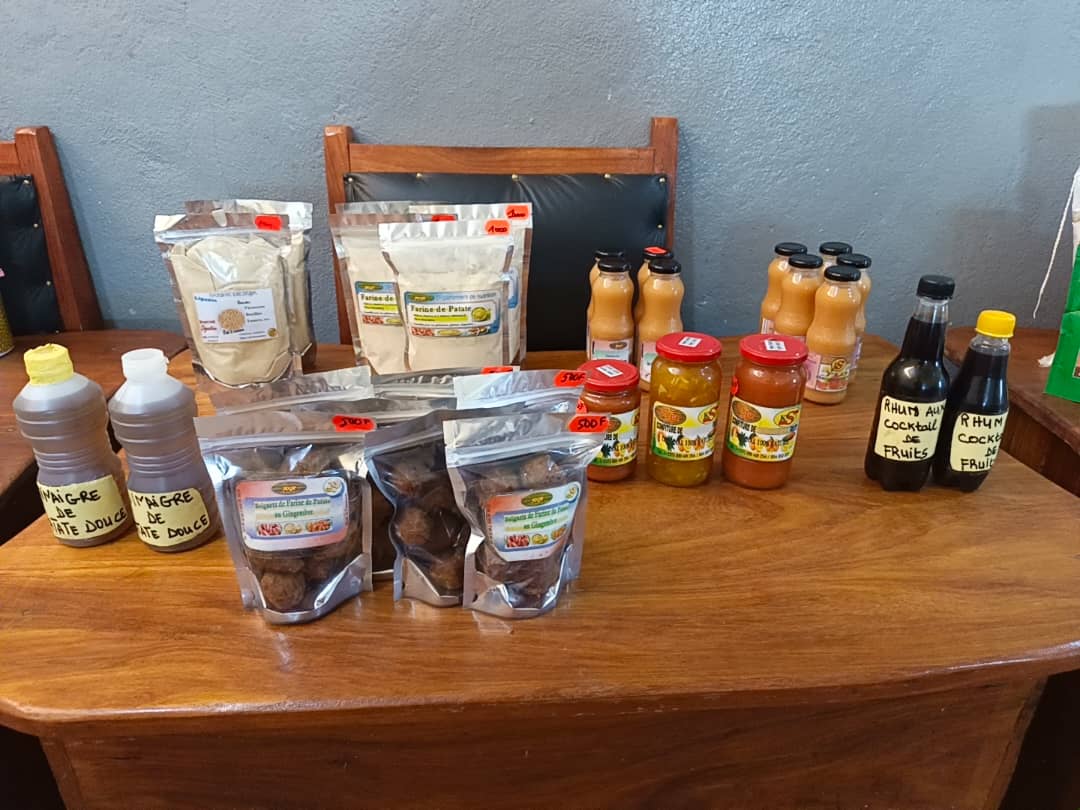
In the markets of Ngoundéré, Martap, and Tibati, you find extraordinary products made by extraordinary people. A woman who processes groundnut oil by hand, filling bottles with care, only to sell them at a price set entirely by a middleman who shows up when he feels like it. A young agripreneur who grows tomatoes all season, only to watch half of them rot because the road to the nearest collection point is impassable in the rains. A fashion designer producing hand-embroidered fabric that could command premium prices in Yaoundé or Douala, but who has no idea how to reach those buyers, and no one to introduce her.
This is not a failure of effort, skill, or ambition. It is a failure of infrastructure, information, and access. The market exists. The buyers exist. But the bridge between them does not, and without it, every hard-won product is worth less than it should be.
40 – 60%
of agri products lost between farmg ates and buyers in Northern Cameroon
3-5x
Price difference between what producers receive vs. what Urban consumers pay
1 in 10
rural entrepreneurs has a relationship with a formal or institutional buyer
86%
of business in the informal economy have no digital presence
The barriers in detail
Six walls standing between producer and market
These barriers do not operate in isolation. They compound each other, each one making the next harder to overcome without outside support.
Infrastructure and Distance
Poor roads and long distances to collection points