The Problem
In northern and northwest Cameroon, entrepreneurs are not failing for lack of ambition. They are failing for lack of capital, and for lack of the documentation needed to access it. Only 25% of Cameroonians hold a bank account, and the gap is far wider in the northern regions where informality runs deepest.
In the North-West region specifically, research from Mezam Division found that only 5.8% of small and medium enterprises had ever accessed a bank loan, while 92.2% relied entirely on informal borrowing from family, neighbours, or savings groups (ResearchGate, 2019).
The barrier is not ability or willingness to repay. It is that without formal registration, recorded transactions, or collateral, most entrepreneurs simply do not exist on paper to the institutions that hold the money. In Cameroon today, larger companies receive three times more credit than small businesses, even as small businesses make up 80% of the industrial sector (CEPI, 2024).
Digital tools have not yet closed this gap. Mobile money has grown rapidly, with over 11.4 million active subscriptions recorded in 2024, but having an account has not meant being able to borrow. For the majority of youth and women entrepreneurs in Adamawa and the North-West, the financing needed to survive a crisis, take on a new order, or hire a helping hand remains completely out of reach.
Our Solution
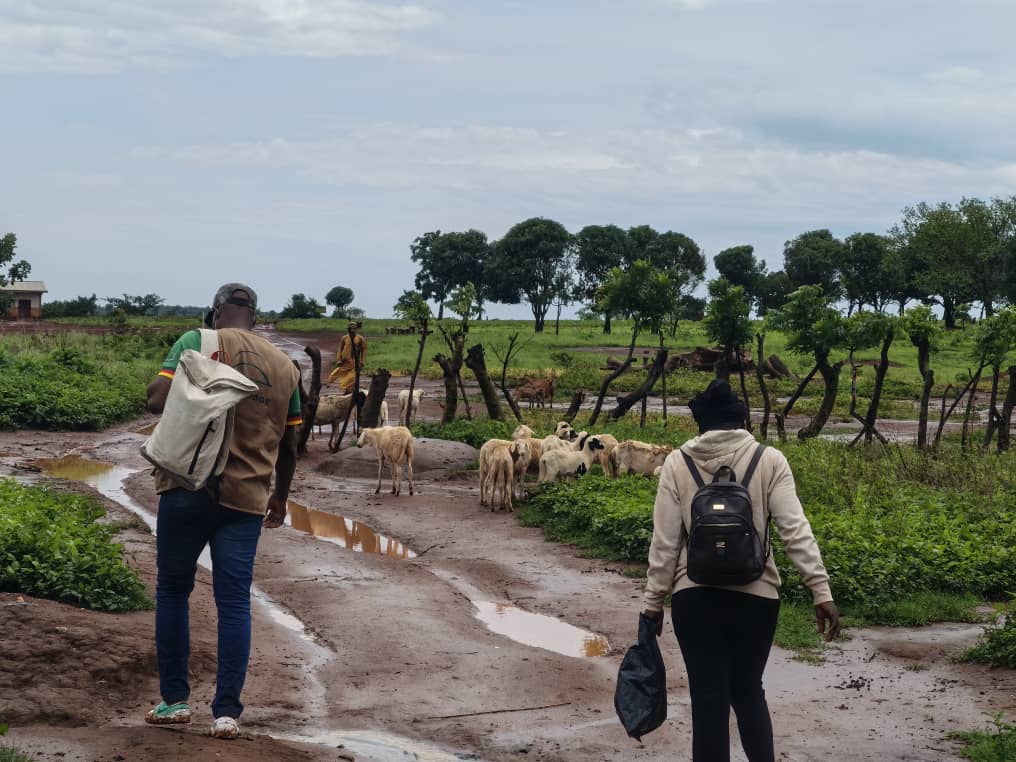
TBE’s approach to capital access starts with a simple observation: most entrepreneurs in Martap, Tibati, Mbé, and Ngoundéré are not unbankable because they are a bad risk. They are unbankable because they are invisible. No transaction records. No registered business. No relationship with anyone who has money to lend. The barrier is not capacity. It is documentation, connection, and a first chance.
TBE provides that first chance through a revolving enterprise finance facility, seed capital paired with structured mentorship, digital skills training, and direct market access. Every loan repaid goes straight back into the fund to finance the next entrepreneur. The goal is not permanent dependence on TBE. It is graduation into the formal financial system, with the records, relationships, and resilience to stay there.
Our Pillars of execution
Seed finance and revolving capital
Access to finance remains the single most cited barrier to enterprise survival and growth among youth and women entrepreneurs in northern and northwest Cameroon. TBE responds through a structured revolving enterprise finance facility that provides seed capital to market-ready micro and small enterprises that formal financial institutions will not serve.
Unlike traditional grant programmes where funds are disbursed and exhausted, TBE’s facility operates on a recoverable grant model, where 70% of the portfolio is repaid by beneficiary enterprises and immediately redeployed to the next cohort. This mechanism ensures that donor investment generates compounding impact across successive programme cycles without requiring proportional new funding.
Disbursements are staged and tied directly to mentorship milestones, ensuring that capital reaches enterprises with the readiness and support structures to absorb and deploy it productively. From Year 3, the facility is further strengthened through microfinance institution co-lending arrangements, connecting TBE’s beneficiary pipeline to the broader financial ecosystem and reducing long-term dependence on TBE’s own fund.
By Year 5, the facility targets 70% self-sufficiency, with the majority of its activity financed by repayments rather than new grants, making it one of the most financially sustainable community-level enterprise finance mechanisms operating in the region
Mentorship and business readiness
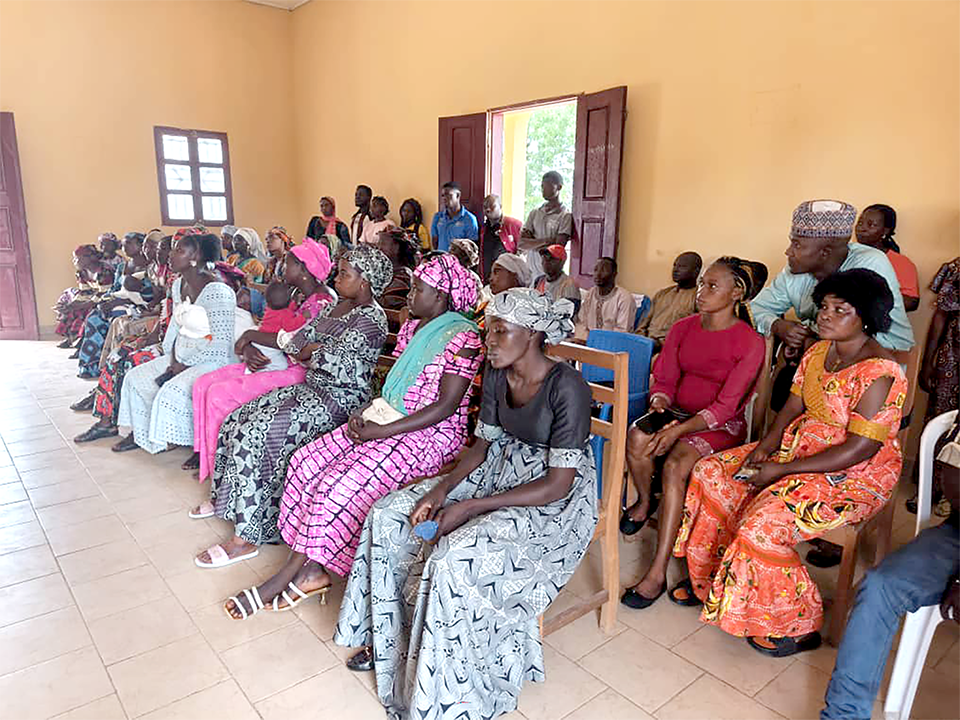
Capital alone does not create sustainable enterprises. Evidence from comparable contexts consistently demonstrates that finance without wraparound support produces low survival rates, poor repayment performance, and limited economic impact. TBE’s mentorship and business readiness ensures that every enterprise entering the programme is assessed, prepared, and supported before, during, and after receiving funding.
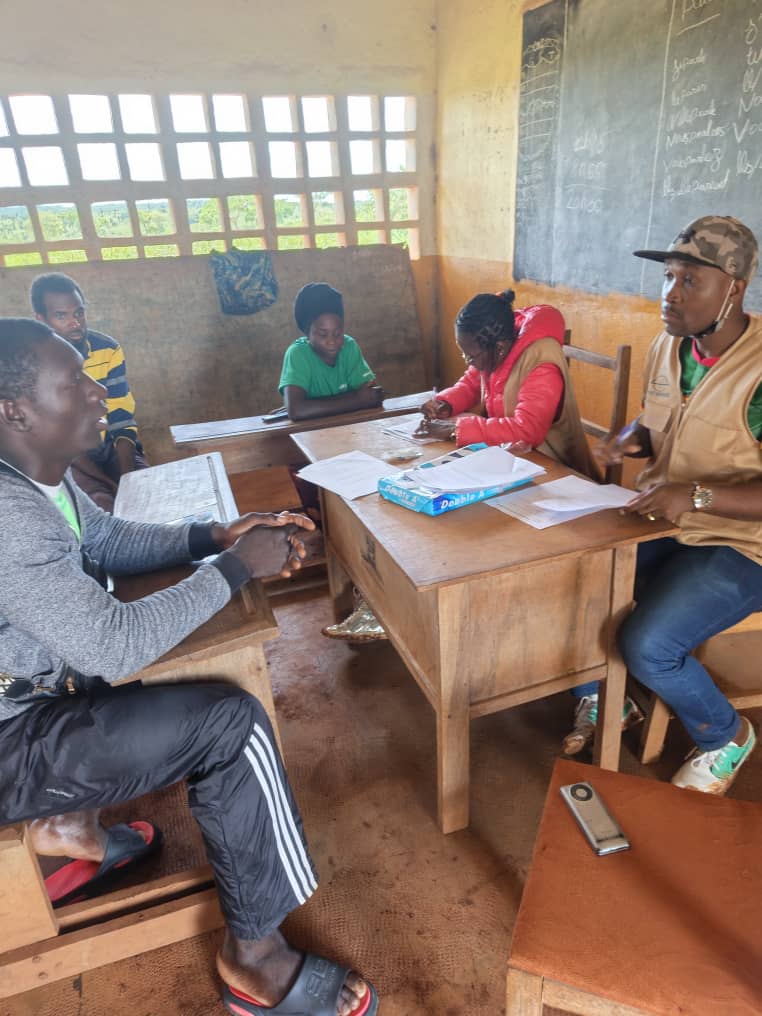
Prior to disbursement, all participants are assessed using TBE’s Market Preparedness Index, a structured tool that measures enterprise readiness across business planning, financial management, market access, and operational resilience. Only enterprises achieving a minimum threshold score progress to funding, ensuring that capital is deployed where it is most likely to generate sustained outcomes.
Post-disbursement, every funded enterprise receives bi-weekly mentorship sessions with an experienced business mentor, facilitated by TBE’s Mentorship Coordinator. Sessions cover cash flow management, inventory planning, customer relationship development, and crisis-resilience strategies.
Over the five-year plan period, TBE aims to support 150 enterprises per phase through structured mentorship, contributing directly to the programme’s target of a 75% business survival rate among funded enterprises at 48 months. This approach reflects TBE’s core conviction that sustainable livelihoods are built through relationships, not transactions
Market linkage and buyer connections
Access to capital and business skills are necessary conditions for enterprise growth, but they are not sufficient on their own. An entrepreneur who has received funding, completed training, and built digital skills still faces a critical barrier if they have no buyers, no access to formal supply chains, and no relationships with the institutional actors who could create sustained demand for their products and services.
TBE’s market linkage and buyer connections pillar bridges this gap by actively facilitating introductions between programme graduates and verified buyers, institutional procurement officers, corporate partners, and regional distributors. TBE hosts B2B market linkage events in Ngoundéré from Year 1, convening buyers and sellers in a structured environment that creates real commercial relationships, not just networking opportunities.
As the programme scales across Adamawa and the North-West from Year 3, market linkage events are replicated in each new geography, progressively building a regional network of buyer-seller relationships anchored in TBE’s programme communities. Beyond events, TBE works to connect graduates to institutional supply chains, including hotels, schools, hospitals, catering companies, and NGO procurement systems, that currently source goods and services from outside the region that local enterprises could provide.
This pillar is also the foundation of TBE’s advocacy work. Every instance of a local enterprise being excluded from a formal supply chain due to packaging standards, invoicing requirements, or registration barriers becomes a data point in TBE’s policy briefs and a concrete argument for the regulatory simplification that would open those doors permanently.

Digital skills and financial visibility
One of the most persistent structural barriers to capital access for informal entrepreneurs in Adamawa and the North-West is financial invisibility. Without documented transactions, registered businesses, or verifiable cash flow histories, the majority of micro and small enterprise owners simply do not exist on paper to the banks, microfinance institutions, and fintech platforms that hold the capital they need.
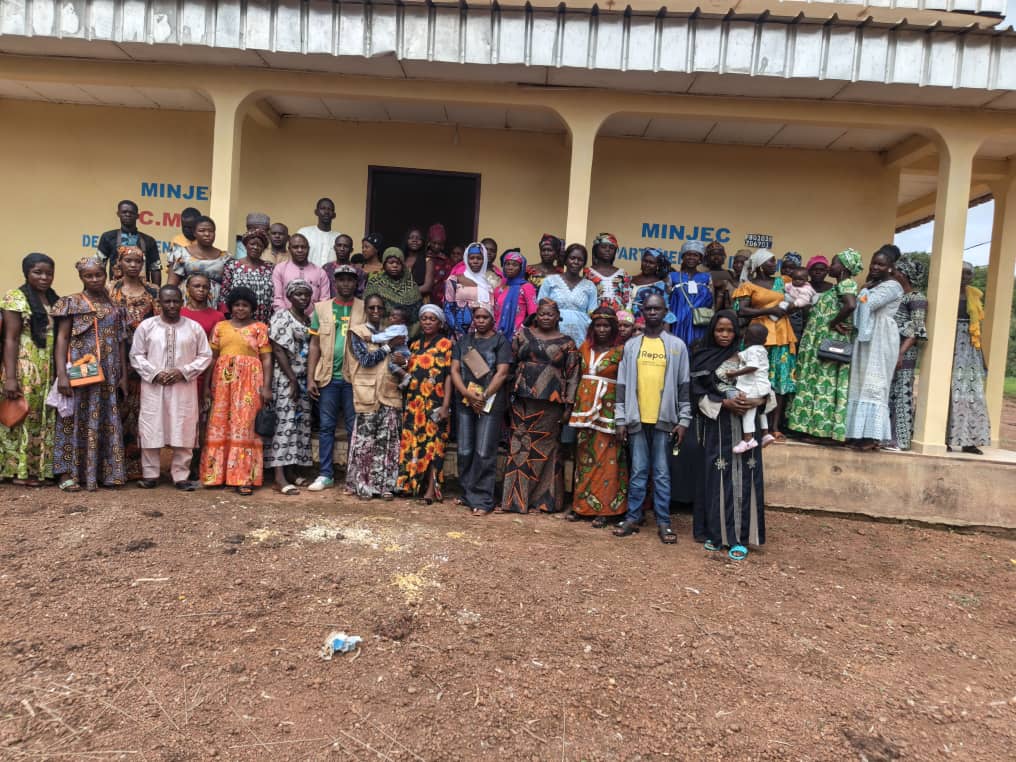
TBE’s digital skills and financial visibility pillar directly addresses this gap by equipping programme participants with the practical tools and knowledge to document their business activity, build a financial track record, and become legible to formal lenders over time. Training is designed specifically for the realities of northern Cameroon, delivered in French and local languages, optimised for low-bandwidth environments, and taught by community-embedded facilitators who understand the lived context of participants.
Core competencies include mobile money account management and transaction tracking, WhatsApp-based customer communication and product cataloguing, basic digital bookkeeping and sales recording, and an introduction to the documentation requirements of formal financial institutions. Over five years, TBE targets the issuance of 2,000 digital skills certifications across 30 or more communities.
Beyond individual skill acquisition, this pillar generates the financial identities that make capital access possible, transforming entrepreneurs from invisible informal actors into documented, credible, and increasingly bankable enterprises capable of accessing the broader financial ecosystem independently.
Why this cannot be neglected
In northern and northwest Cameroon, the consequences of capital exclusion are not abstract. They are visible in every market, in every community, and in every family that depends on a small business for its daily income. When an entrepreneur cannot access finance, she does not simply stay where she is. She falls back. She borrows at high cost from informal lenders, accumulates debt that consumes the income she was trying to grow, and enters the next crisis more fragile than the last. Over time, the business does not stagnate. It collapses.
The scale of this exclusion demands urgent, structured intervention. Only 25% of Cameroonians hold a bank account, and in the northern regions that figure is considerably lower. In the North-West, 92.2% of small enterprises rely entirely on informal borrowing, not by choice, but because the formal financial system has never been designed to include them. Women carry this burden most acutely, comprising more than 60% of the informal economy while remaining structurally locked out of the credit, collateral, and commercial networks that would allow their enterprises to grow. Meanwhile, larger companies in Cameroon receive three times more credit than small businesses, even as small businesses make up 80% of the industrial sector. The system does not reward need. It rewards existing advantage.
Neglecting this gap does not preserve the status quo. It actively deepens it. Every year that an entrepreneur in Martap or Tibati operates without access to capital is a year of compounding disadvantage. Skills deteriorate without the resources to apply them. Market opportunities pass to better-financed competitors. Young people who might have become employers become job-seekers instead. Communities that might have built local economic resilience remain dependent on external actors and fragile supply chains they do not control.
The economic cost of inaction extends beyond individual enterprises. An estimated 443,000 SMEs operate across Cameroon, contributing significantly to employment, GDP, and household income. The majority of these businesses remain chronically underfinanced, not because they are unviable, but because the infrastructure to connect them to capital has never been built at the community level where they actually operate. Without that infrastructure, Cameroon’s stated national priorities, including SME development, youth employment, and inclusive economic growth under the Emergence 2035 Vision, remain aspirational rather than achievable.
TBE’s capital access programme is not a peripheral development intervention. It is a direct response to one of the most consequential structural failures in the economic life of northern and northwest Cameroon. The entrepreneurs we serve are not waiting to be discovered. They are already working, already producing, and already contributing to their communities under conditions that no financial system should allow to persist. What they need is not charity. They need a bridge. And every day that bridge is not built is a day that potential becomes loss.