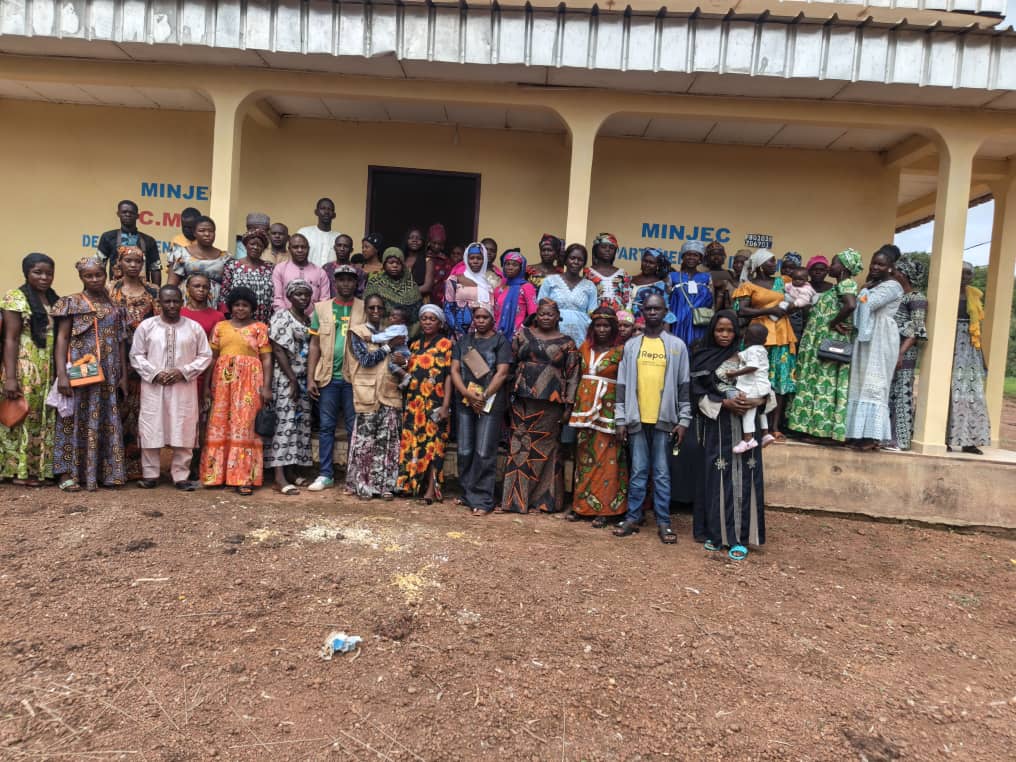
The Problem
In northern and northwest Cameroon, crises repeatedly devastate livelihoods, security disruptions, seasonal flooding, and road collapses can collapse micro-enterprises almost overnight. This vulnerability is compounded by the fact that more than 85% of workers in these regions operate informally, with no savings buffer and no alternative when markets close (ILO, 2026). The root issue is a digital readiness gap: while mobile coverage has expanded, only 27% of people in Sub-Saharan Africa use mobile internet regularly, and around 710 million people live in areas with coverage but do not use it due to cost, limited devices, or lack of digital skills (GSMA, 2024). Economic fragility compounds the problem: around 60% of workers live in households below the moderate poverty threshold of US$4.20 a day, and women are 14% less likely than men to access mobile internet, widening an already severe inequality (ILO, 2026; GSMA, 2025). Without digital skills and crisis preparedness, informal businesses cannot maintain income, reach markets, or adapt when disruptions hit , leading to repeated losses, interrupted livelihoods, and stalled local economic development, despite mobile technology offering the potential to unlock US$3.5 trillion in GDP globally by 2030 if the usage gap closes (GSMA, 2024).

Our Solution
At TBE, we don’t just train entrepreneurs, we build the conditions for them to survive, grow, and stay standing when the next crisis hits. In Ngoundéré, Martap, Tibati, and Mbé, we combine structured mentorship, practical digital skills, enterprise finance, and direct market access into a single integrated programme, because no single intervention is enough in communities where every barrier compounds the next. Over the next five years, we aim to train 3,000 youth and women, fund 400+ enterprises through a self-sustaining revolving facility, create 1,000+ jobs, and publish field-grounded policy research that changes the rules for the entrepreneurs we cannot yet reach. Every person we support is not just building a business, they are building a livelihood that can withstand a flood, a road closure, a market shutdown. That resilience, multiplied across 30+ communities, is what economic transformation in northern Cameroon actually looks like.
Our Pillars of Execution

Digital Inclusion and Literacy-Agnostic Platforms
In communities where limited literacy, device cost, and unreliable connectivity are everyday realities, digital skills training only works if it starts where people actually are. TBE’s digital skills programme is built for northern Cameroon’s context — practical, mobile-first, and delivered in French and local languages by facilitators from the same communities. We teach entrepreneurs to use tools they already have access to: WhatsApp for customer communication, mobile money for transactions, and simple digital record-keeping that builds the financial history needed to eventually access credit. Over five years, we aim to issue 2,000+ digital skills certifications — not as a credential exercise, but as evidence that an entrepreneur can use a specific tool to earn more, sell further, and stay trading when their physical market closes.
Crisis-Preparedness Training & Community Logistics Capacity
TBE equips entrepreneurs and community members in Ngoundéré, Martap, Tibati, and Mbé with the practical knowledge to keep trading when crises disrupt normal operations. Through targeted training, participants learn to establish local fulfilment points, organise alternative delivery routes, and coordinate trusted peer networks for moving goods when roads close, markets shut, or movement is restricted.
Training covers risk assessment, route planning, and the use of mobile communication tools, WhatsApp, SMS, and mobile money, to coordinate operations during disruptions. As TBE scales across Adamawa and the North-West from Year 3, this crisis-resilience model scales with it, embedding business continuity capacity into every community we enter.
By 2031, crisis-preparedness training will be integrated into all TBE programme cohorts across 30+ communities, contributing directly to our target of ≥75% business survival rate among funded enterprises at 48 months.
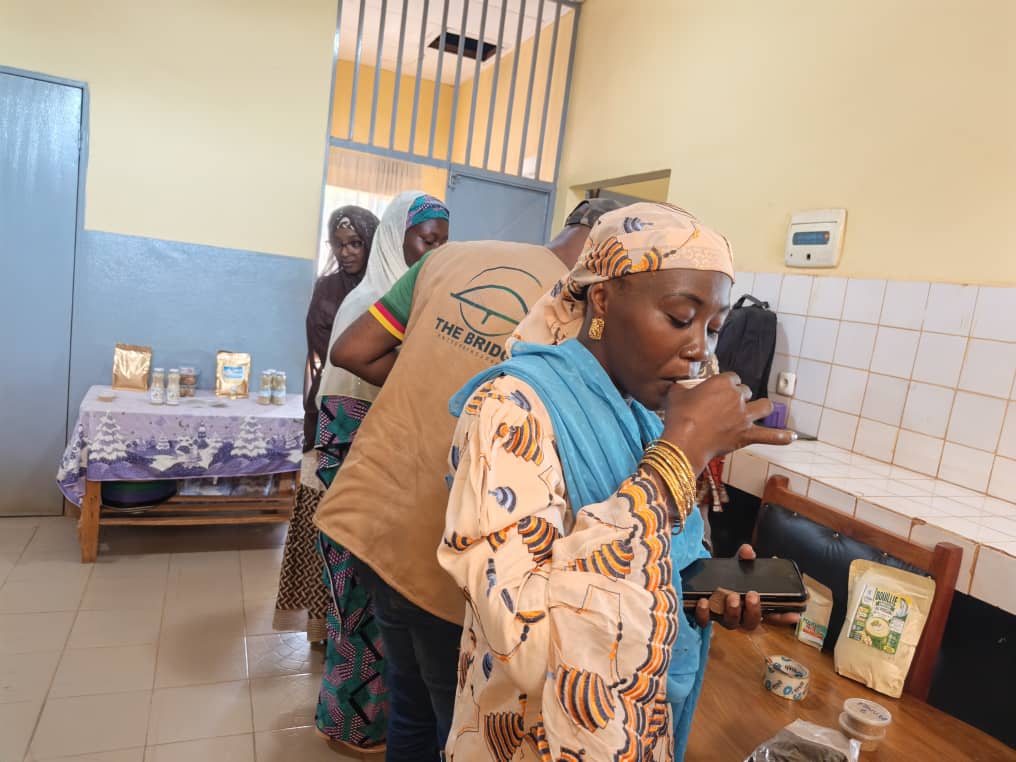
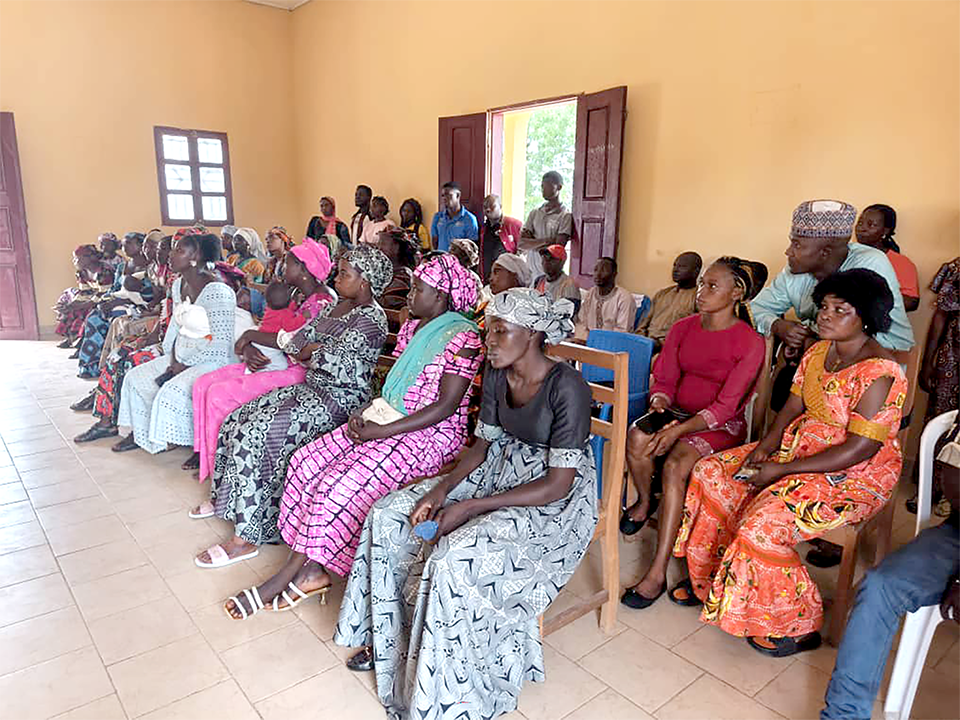
Community Cooperative and Peer Networks Training
Across TBE’s programme communities in Ngoundéré, Martap, Tibati, and Mbé, entrepreneurs are organised into peer learning cooperatives that pool resources, share knowledge, and create collective safety nets during crises. Members coordinate access to mobile devices, shared internet connectivity, and community logistics, so that no entrepreneur has to navigate a disruption alone.
Cooperatives facilitate peer-to-peer mentorship, digital adoption support, and real-time information sharing, allowing members to access guidance, crisis updates, and practical pivot strategies collectively rather than individually. As TBE expands across Adamawa and the North-West from Year 3, the cooperative model scales with each new cohort — embedding community resilience infrastructure into every geography we enter.
By 2031, cooperative structures will be active across all 30+ communities TBE serves, with peer networks forming a self-sustaining support system that continues to function long after the formal programme cycle ends. This is not a parallel activity to TBE’s mentorship and enterprise support — it is the connective tissue that holds it all together.
Crisis-Responsive Pivot Playbooks
TBE trains entrepreneurs to act decisively when crises disrupt markets, using practical strategies built for the realities of Adamawa and the North-West. Participants learn four core pivot skills:
Shift sales channels quickly, moving from local markets to community-led delivery networks, SMS and WhatsApp sales coordination, or peer-organised micro-hubs when physical markets close due to flooding, security disruptions, or road failure.
Leverage mobile money and low-tech payments, continuing transactions when cash is inaccessible, using the mobile money skills built throughout the TBE digital skills programme.
Prioritise inventory, identifying high-demand, low-risk products to protect cash flow during supply disruptions, so working capital is preserved rather than lost to unsellable stock.
Mobilise cooperative resources, pooling transport, storage, and labour with fellow cooperative members to sustain business activity when individual capacity is overwhelmed.
These strategies are taught through hands-on workshops, community simulations, and ongoing mentorship, delivered in French and local languages, and designed so that entrepreneurs with limited literacy can implement them immediately without relying on written guides. Pivot training is integrated into every TBE cohort across all programme phases, contributing directly to our target of ≥75% business survival among funded enterprises at 48 months and 1,000+ jobs sustained across 30+ communities by 2031.