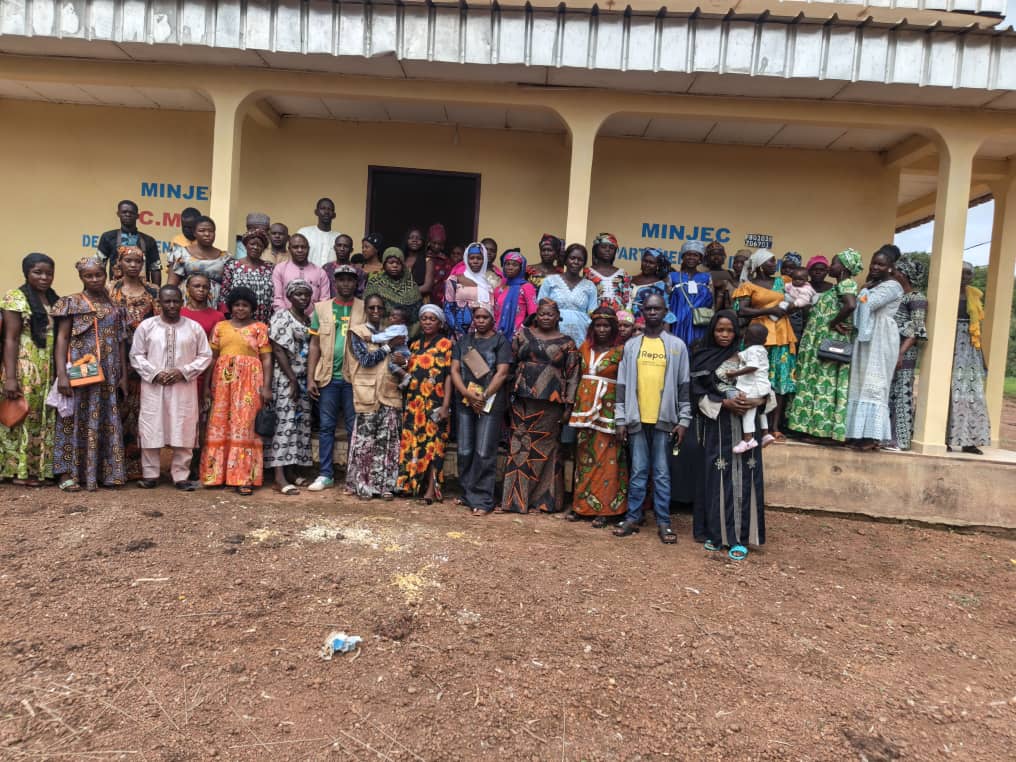
The Problem
n Adamawa and the North-West, business support infrastructure is almost entirely absent at the community level. No structured mentorship. No local incubators. No peer networks. No institutional buyers looking for local suppliers.
Where support structures exist in Cameroon, they are concentrated in Yaoundé and Douala, designed for formally registered urban businesses, and entirely out of reach for entrepreneurs in Martap, Tibati, Mbé, and Ngoundéré. MINPMEESA has itself identified Adamawa and the North-West among the regions most urgently requiring entrepreneurship support.
Only 10% of young entrepreneurs in Cameroon access formal financial services. Underemployment sits at 65% nationally, and youth unemployment in Adamawa runs at 30 to 40%. These are not the consequences of low ambition. They are the consequences of an ecosystem that was never built where most entrepreneurs actually live and work.
Our solution
TBE tackles the fragmented and underdeveloped entrepreneurial ecosystem of northern and northwest Cameroon by building community-rooted, crisis-resilient infrastructure grounded in strategic partnerships. Rather than importing urban accelerator models that have repeatedly failed to reach last-mile communities, TBE collaborates with government agencies, private sector actors, and mission-aligned organisations to deliver a support system built for the realities of Adamawa and the North-West, where informality, limited digital access, and recurring crises are not exceptions but everyday conditions.
Through these partnerships, TBE equips entrepreneurs with practical business skills, digital readiness, and the financial documentation needed to access capital, connects them to verified buyers and market linkages, and anchors entrepreneurship support at the community level where it has never previously existed. Government partners, including MINPMEESA and the Ministry of Youth, help streamline regulatory pathways and link programme graduates to national SME and youth support schemes.
Private sector partners provide market access, mentorship expertise, and investment opportunities. Civil society and community organisations support outreach to the most excluded groups, particularly women and rural entrepreneurs in Martap, Tibati, Mbé, and Ngoundéré. Together, these partnerships allow TBE to co-create a locally grounded ecosystem in which entrepreneurs in northern Cameroon can operate, grow, and scale, even in high-risk environments, building the inclusive, resilient local economies that national development policy has long promised but rarely delivered at the community level.
Our Pillars of Execution
Strategic partnerships and institutional alliances
No single organisation can build an entrepreneurial ecosystem alone. The networks, institutions, regulatory pathways, market opportunities, and funding channels that entrepreneurs in northern and northwest Cameroon need to grow are held by different actors across the public, private, and civil society sectors. TBE’s first pillar of execution is therefore not a programme activity. It is a deliberate, sustained strategy of relationship-building that brings the right actors into a coordinated system of support around the entrepreneurs TBE serves.
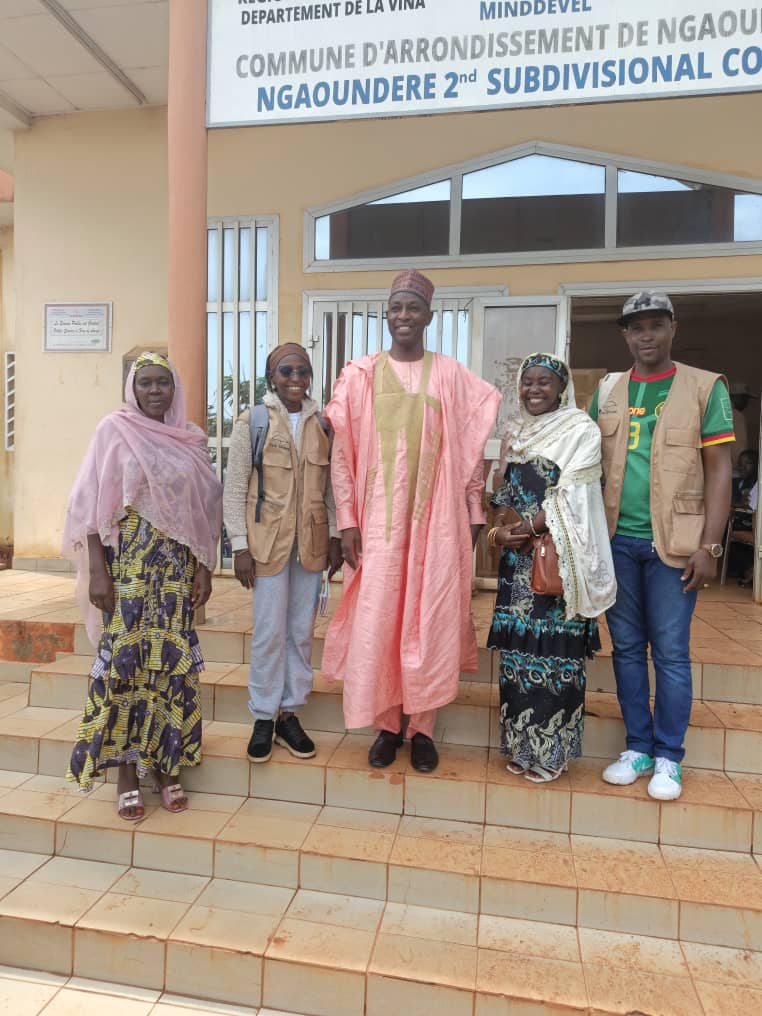
At the government level, TBE actively engages MINPMEESA and the Ministry of Youth to streamline regulatory pathways for informal entrepreneurs, link programme graduates to existing national SME and youth support schemes, and ensure that TBE’s field evidence shapes the policy conversations where ecosystem-level decisions are made. These relationships are not transactional. They are long-term investments in the institutional credibility that allows TBE to speak with authority in national policy spaces on behalf of the communities it serves.
At the private sector level, TBE forges partnerships with market actors, technology providers, corporate training clients, and microfinance institutions that provide mentorship expertise, market linkages, digital tools, and co-lending opportunities. These partnerships are formalised through signed MoUs and structured around mutual accountability, ensuring that every partner relationship delivers measurable value to programme beneficiaries rather than institutional visibility alone.
At the civil society and community level, TBE works alongside mission-aligned NGOs and grassroots organisations to reach the most excluded entrepreneurs, particularly women and those in rural communities in Martap, Tibati, and Mbé, who would not be reached through conventional outreach. Community organisations bring contextual knowledge, trusted relationships, and local legitimacy that external actors cannot replicate.
By 2031, TBE targets 40 or more signed formal partnerships across all three levels, creating a coalition of actors that collectively constitutes the ecosystem infrastructure northern Cameroon’s entrepreneurs have never had access to before.

Market linkage and ecosystem convening
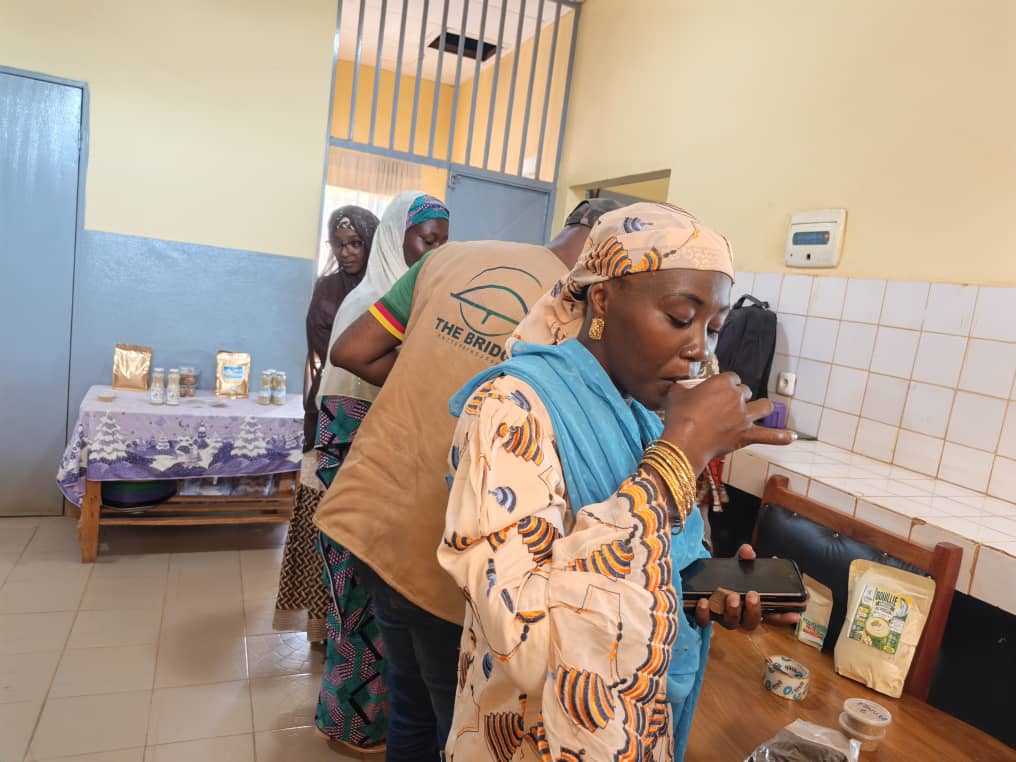
Access to mentorship and capital prepares an entrepreneur to grow. Access to markets is where that growth actually happens. In northern and northwest Cameroon, the gap between what entrepreneurs produce and what formal buyers are willing to purchase is not primarily a quality gap. It is a relationship gap. Hotels, schools, hospitals, catering companies, and institutional procurement offices in the region source goods and services from outside the community that local enterprises could supply, not because local products are inferior, but because no one has ever introduced the two sides to each other.
TBE’s market linkage work is built around direct, structured introductions between programme graduates and verified buyers. From Year 1, TBE hosts B2B market linkage events in Ngoundéré that convene local entrepreneurs and institutional buyers in a structured environment designed to create real commercial relationships, not networking opportunities that lead nowhere. Each event is documented through buyer-seller logs, and follow-up market access support is provided to every enterprise that initiates a buyer relationship, ensuring that introductions translate into sustained commercial activity rather than one-off transactions.
As TBE scales across Adamawa and the North-West from Year 3, market linkage events are replicated in each new geography, progressively building a regional network of buyer-seller relationships anchored in TBE’s programme communities. Alongside these events, TBE works to connect graduates to formal supply chains and institutional procurement systems, supporting them to meet the packaging, documentation, and quality standards that formal buyers require and that most community-level entrepreneurs have never been shown how to achieve.
From Year 3, TBE’s Annual Entrepreneurship Summit becomes the flagship convening mechanism for the broader ecosystem. Targeting 100 or more attendees in Year 3 and growing to 300 or more by Year 5, the Summit brings together entrepreneurs, mentors, buyers, investors, government officials, bilateral partners, and civil society organisations in a policy-facing convening that makes the case for ecosystem development in northern Cameroon through field evidence, community voices, and demonstrated programme outcomes.
The Summit is not a celebration event. It is a strategic instrument for building the relationships, visibility, and institutional momentum that ecosystem development requires.
Research, advocacy, and policy influence
The three preceding pillars address the immediate conditions facing entrepreneurs in TBE’s programme communities. This fourth pillar addresses the systemic conditions that determine whether those improvements last, scale, and reach the majority of entrepreneurs TBE cannot directly serve within a five-year programme period. It is the pillar that transforms a community-level programme into a force for structural change.
TBE’s research and advocacy work begins with evidence generation. Every programme cycle produces primary data on beneficiary outcomes, enterprise survival rates, capital access patterns, digital adoption levels, and market linkage results, disaggregated by gender, community, sector, and programme component. This data is not collected for internal reporting alone. It is systematically analysed, synthesised, and translated into field-grounded policy briefs that speak directly to the regulatory and institutional gaps that TBE’s programme communities encounter every day.
From Year 1, TBE publishes two policy briefs grounded in Ngoundéré pilot data, on youth entrepreneurship in Adamawa and on women’s enterprise needs in the North-West respectively. These briefs are distributed directly to MINPMEESA, the Ministry of Youth, GIZ, UNDP, ILO, and bilateral donors operating in Cameroon, with the explicit intention of being cited, referenced, and acted upon. Over five years, TBE targets seven or more published briefs, a formal advisory seat on the MINPMEESA SME Advisory Committee by Year 4, and at least one TBE policy document directly referenced in national legislation or ministry guidance by Year 5.
The connection between TBE’s programme work and its policy work is not incidental. It is the central logic of TBE’s dual identity as both a programme implementer and an emerging policy voice. The programme generates the evidence. The evidence earns the credibility. The credibility opens the doors. And once those doors are open, the policy changes that follow create the enabling conditions for every entrepreneur in northern Cameroon, not just the 3,000 that TBE can directly reach by 2031.
This is how a community-level NGO creates impact at a systems level. And it is why research, advocacy, and policy influence are not optional additions to TBE’s work. They are the multiplier that makes everything else matter beyond the communities TBE can directly serve.
Mentorship and peer learning networks
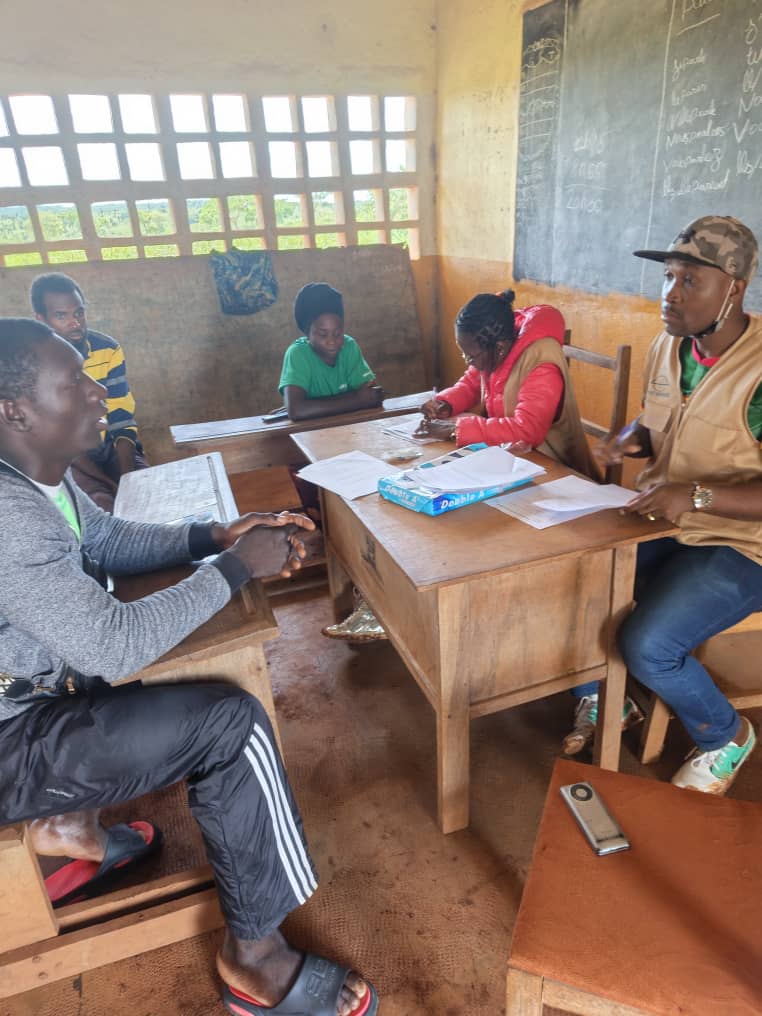
The single most consistent finding from enterprise development research across sub-Saharan Africa is that capital and training alone do not produce sustainable businesses. What produces sustainable businesses is sustained human support. A mentor who answers the phone when a crisis hits. A peer who has solved the same problem and shares how. A network that holds an entrepreneur accountable, celebrates progress, and provides practical guidance through the specific challenges of building a business in a last-mile community. TBE’s second pillar of execution builds exactly this infrastructure.
At the individual enterprise level, every business supported by TBE is matched with an experienced mentor through a structured programme coordinated by TBE’s Mentorship Coordinator. Mentorship sessions are held bi-weekly, structured around the specific development stage and sector of each enterprise, and logged systematically to enable adaptive management and outcome tracking. Mentors are drawn from TBE’s growing partner network and are selected for their practical business experience in contexts comparable to those of programme beneficiaries, ensuring that guidance is relevant, actionable, and grounded in the realities of operating in northern Cameroon.
At the community level, TBE organises entrepreneurs into peer cooperative networks that pool resources, share knowledge, and create collective safety nets during disruptions. These cooperatives facilitate peer-to-peer learning, digital adoption support, and real-time information sharing, allowing members to access guidance, market intelligence, and practical pivot strategies collectively rather than individually. Cooperative structures are embedded in every community TBE enters, ensuring that the relational infrastructure of the ecosystem persists between programme cohorts and beyond the formal programme period.
As TBE’s alumni base grows, the mentorship and peer learning infrastructure transitions progressively toward self-governance. By Year 5, TBE targets a self-sustaining alumni association of 500 or more active members, functioning as an independent peer learning and advocacy network that amplifies TBE’s impact long after direct programme engagement in any single community has ended.
This transition from programme-dependent to community-owned infrastructure is among the most important indicators of genuine ecosystem development, and one of TBE’s most ambitious long-term commitments.
Why it cannot be neglected
Neglecting entrepreneurial ecosystem development in northern and northwest Cameroon leaves entrepreneurs in Martap, Tibati, Mbé, and Ngoundéré isolated, invisible, and permanently high-risk. Without structured support, access to capital remains out of reach, markets stay closed, and mentorship never arrives. Innovation stalls. Digital adoption does not happen. And the young people, women, and rural founders who make up the majority of the informal economy in Adamawa and the North-West remain the most exposed when the next crisis hits. Security disruptions, seasonal flooding, and road collapses do not just inconvenience these businesses. They destroy them, causing immediate income loss, accumulated debt, and job destruction that communities take years to recover from, if they recover at all.
Building a resilient, structured entrepreneurial ecosystem in these communities is therefore not a development aspiration. It is an economic necessity. When entrepreneurs are connected to mentors, markets, peers, and capital, they become visible, fundable, and capable of growth that no informal, isolated business can sustain alone. When that ecosystem is community-embedded rather than imported from Yaoundé or Douala, it holds through crises, adapts to local realities, and generates the inclusive economic growth that Cameroon’s northern regions have long needed but rarely received. This is what The Bridge Entrepreneurship is building, community by community, partnership by partnership, across Adamawa and the North-West, until the system works for everyone it has historically left behind.